Booking choice: The full-day wildlife tour, from $200 per person. Check dates Compare the options below
The park has about 2,000 to 3,000 elk in summer, around 350 bighorn sheep and a growing number of moose. Most sightings happen from the road, in the meadows and near water.
Nothing is guaranteed, but timing and place make a big difference.
The quick answer
Elk: meadows like Moraine Park and Horseshoe Park, at any time of day. Moose: the Kawuneeche Valley on the west side, and rivers and lakes on the east. Bighorn sheep: Sheep Lakes and Horseshoe Park, May to mid-August. Marmots and pikas: rocks on the tundra along Trail Ridge Road. Stay at least 25 yards away, and 40 from moose.
What wildlife can you see in Rocky Mountain National Park?
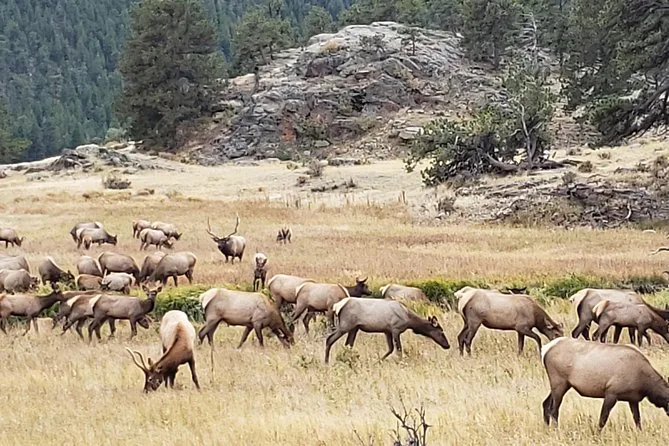
Elk, mule deer, moose, bighorn sheep, yellow-bellied marmots and pikas are the usual sightings, with coyotes and birds of prey too.
Guests on the wildlife tours report bighorns, moose, pikas, marmots, elk and deer in a single day. Black bears and mountain lions live here too, and need the widest berth.
Here for the animals? The wildlife tour spends the whole day on them, with spotting scopes.
Check dates for the full-day wildlife tourWhere are the best places to see elk?
In the meadows and where meadows meet forest: Moraine Park, Horseshoe Park and the valleys near the east entrances.
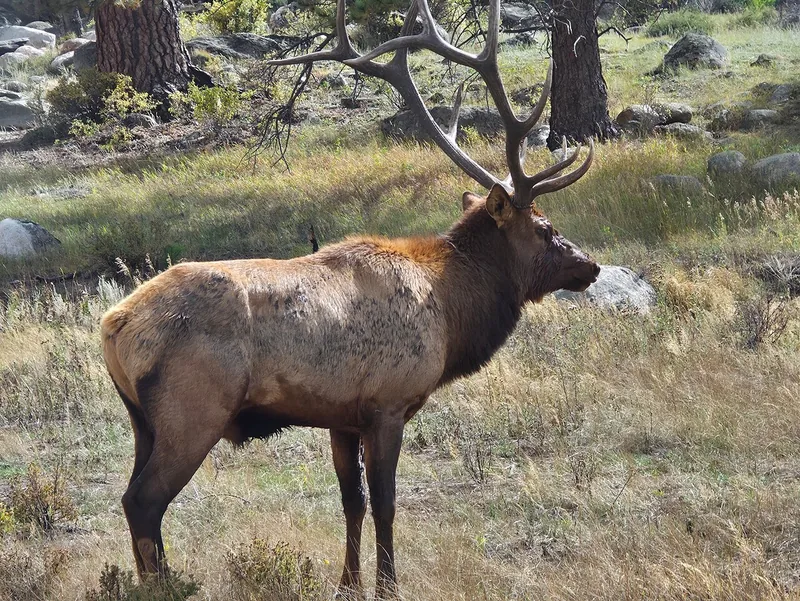
The park says elk can be seen any time of year and any time of day. In summer many move up to higher meadows and the tundra along Trail Ridge Road, and in autumn they come down to the valleys.
Where can you see moose?
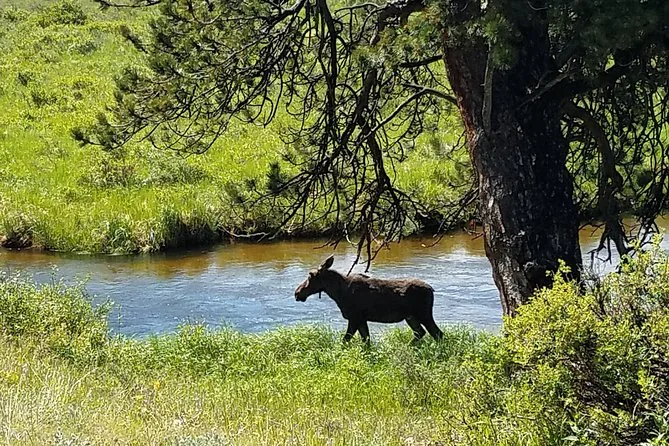
The park's best bet is along Highway 34 in the Kawuneeche Valley on the west side; moose are becoming more common on the east side too, near rivers and lakes.
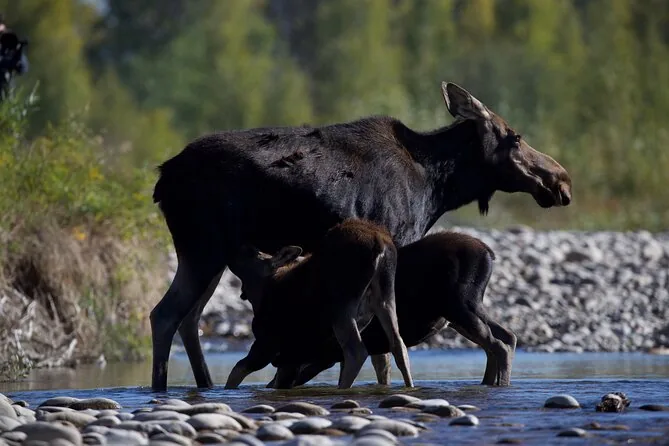
An adult moose stands five to seven feet at the shoulder and big bulls weigh up to 1,500 pounds. Guests on the Estes Park jeep tours report seeing cows with calves, so look in the willows along any river.
Where do you see bighorn sheep?
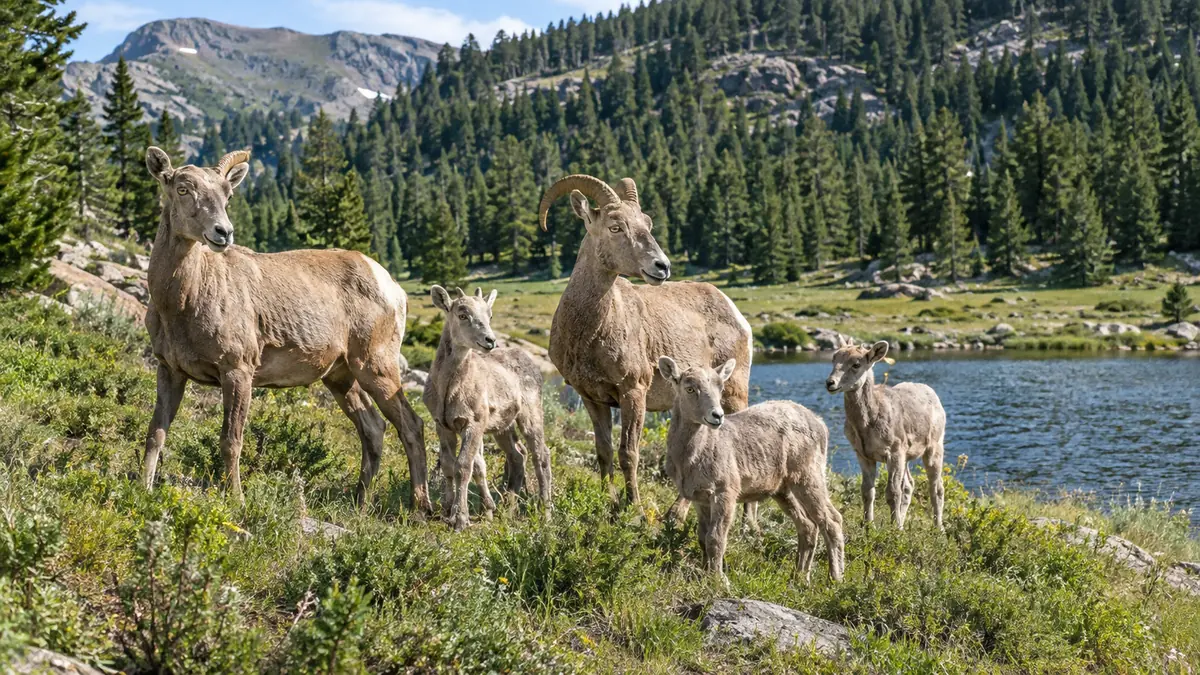
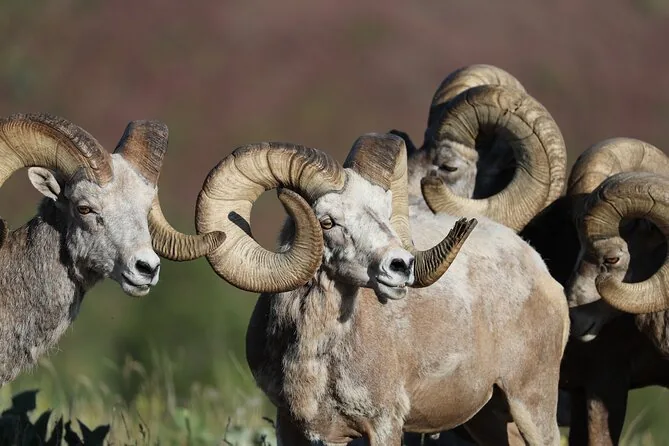
At Sheep Lakes and in Horseshoe Park, about 2 miles from the Fall River Visitor Center, most often from May through mid-August.
The sheep come down from the mountainside to lick mud for its minerals. The area also draws coyotes and elk, and it gets busy in the autumn elk rut, so arrive early for parking.
Want the best odds for bighorns and moose? A private guide, binoculars and spotting scopes, up to 8 hours.
Explore the full-day wildlife tourWhere can you see marmots and pikas?
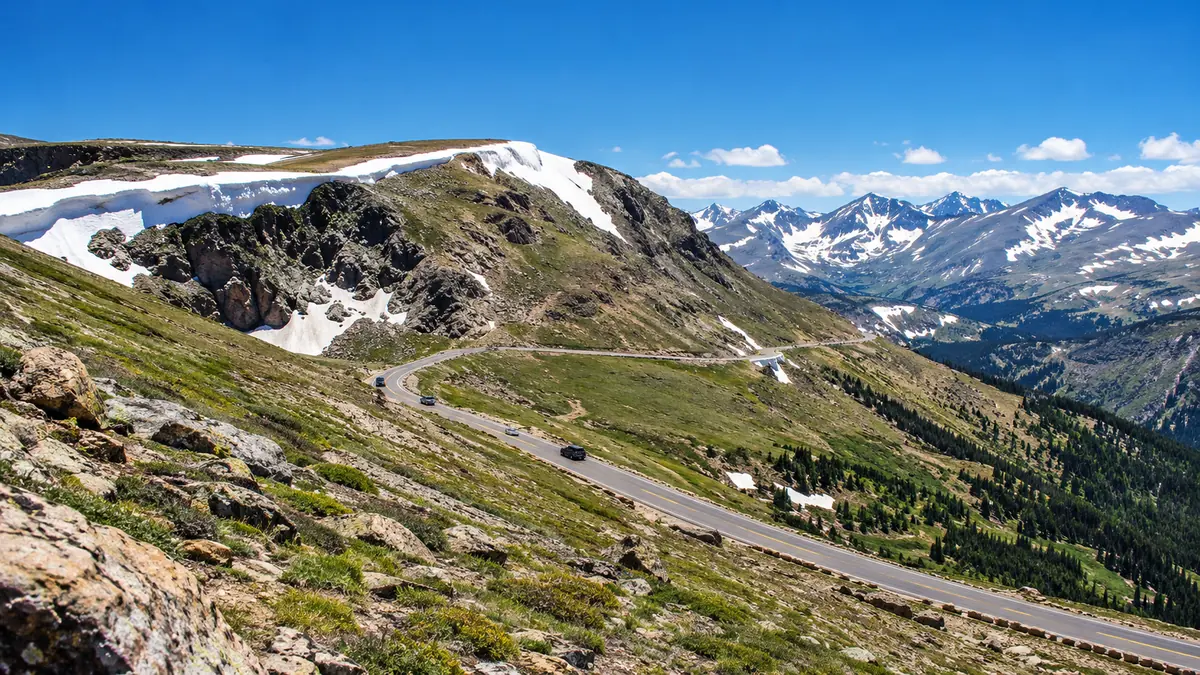
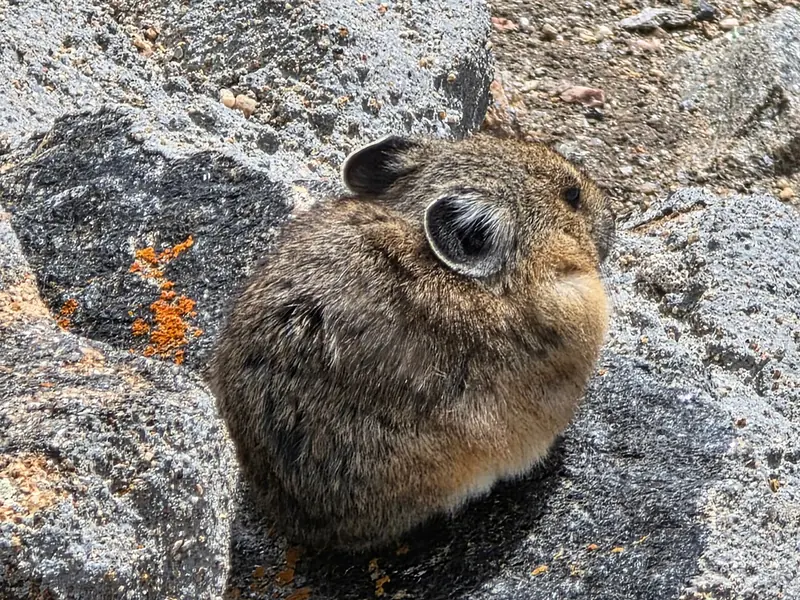
On the rocky alpine tundra: marmots on rocks along Trail Ridge and Old Fall River Roads, and pikas along the Tundra Communities Trail.
Pikas are usually heard before they are seen: listen for a sharp, short bark from the boulder fields. See Trail Ridge Road for the stops.
What is the best time of day to see wildlife?
Early morning and evening, when elk and moose feed in the open and the roads are quieter.
Guests say morning tours see the most; one jeep guest who went out at 1:30 p.m. still saw most of their list, including pikas. The private morning tour gets into the park early with a naturalist.
Early is best for wildlife: the private morning tour starts from your Estes Park lodging.
Check dates for the private morning tourHow close can you get to wildlife?
At least 25 yards (75 feet, about two buses) from all wildlife, and 40 yards (120 feet) from moose and bears.
Feeding or harassing wildlife is illegal in all national parks. The park notes that moose can run at 35 mph. Use binoculars or a zoom lens, and stay by the car when elk are on the road.
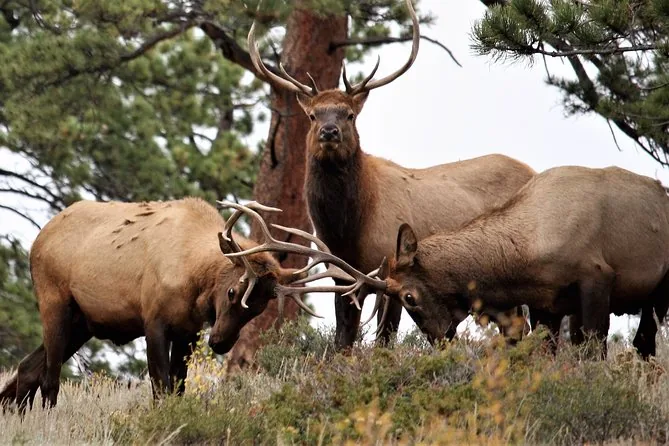
When is the elk rut, and are wildlife tours worth it?
The rut peaks in September and October, when bulls bugle in the meadows; a guided wildlife tour is worth it if the animals are your main goal.
Guides know where the animals were yesterday, carry scopes and handle the timed entry. Guests on the full-day wildlife tour and the jeep tours mention moose, bighorns, elk and pikas in the same outing.
Wildlife first, scenery second? The full-day tour is built around the animals.
Check dates for the full-day wildlife tourFrequently asked questions
Where is the best place to see moose in Rocky Mountain National Park?
The Kawuneeche Valley along Highway 34 on the west side; on the east side, look near rivers and lakes.
When do bighorn sheep come to Sheep Lakes?
Most often from May through mid-August.
How far should I stay from elk?
At least 25 yards (75 feet), and 40 yards (120 feet) from moose and bears.
Can you see wildlife on a Denver tour?
Often, yes: the summer tour stops in Horseshoe Park and guests report elk, moose and bighorns, but nothing is guaranteed.
Ready to book
Choose your day
Free cancellation up to 24 hours before on every option. Prices are from-prices in USD and move with the season.
Full-Day Wildlife Tour with Scopes
Moose, elk and bighorns with spotting scopes
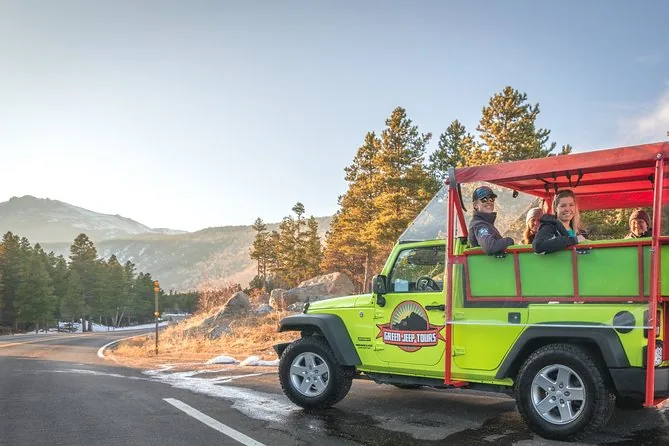
Open-Air Jeep Tour from Estes Park
- Safari-style open jeep, 10 guests or fewer
- Old Fall River Road or Trail Ridge Road, depending on season and weather
- Alpine Visitor Center and Alluvial Fan stops
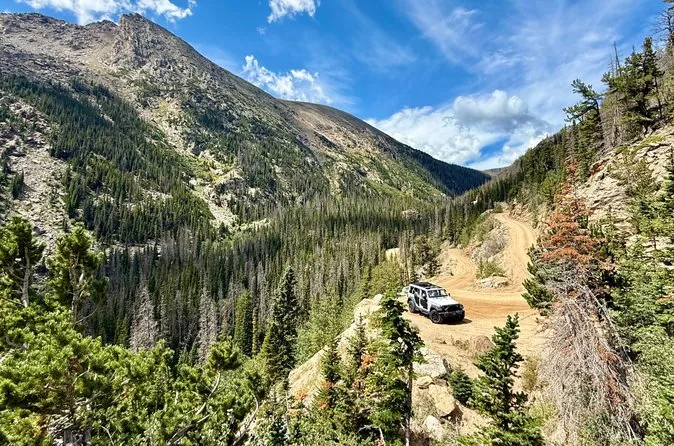
Private Morning Wildlife Tour
Early wildlife with a naturalist, your group only